
How to Spot Wear and Tear on Your Garage Door (Before It Breaks)
Your garage door works hard every day — opening, closing, and protecting your home. But like any mechanical system, it needs a little attention now and then. Catching small issues early can save you from costly repairs down the line.
Here’s a simple guide to help you inspect your garage door hardware and keep everything running smoothly.
1. Check the Tracks and Hinges
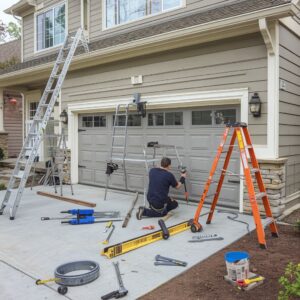
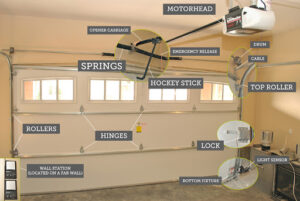
Start by giving the tracks a visual inspection. Are they clean and straight? Dirt, debris, or dents can cause trouble over time.
Next, take a look at the hinges. Use a screwdriver or socket wrench to tighten any loose bolts or fasteners. These parts keep the door stable and balanced — when they loosen, your door can start to shake or make noise.
2. Inspect the Rollers
Garage door rollers are small but mighty. If they’re worn out, your door might move unevenly or get stuck.
-
Steel rollers can develop worn bearings or look crooked.
-
Nylon rollers tend to crack or chip as they age.
If you notice signs of wear, it’s best to replace them before they fail completely.
Need help with roller replacement? Check out our garage door repair services.
3. Examine the Lift Cables
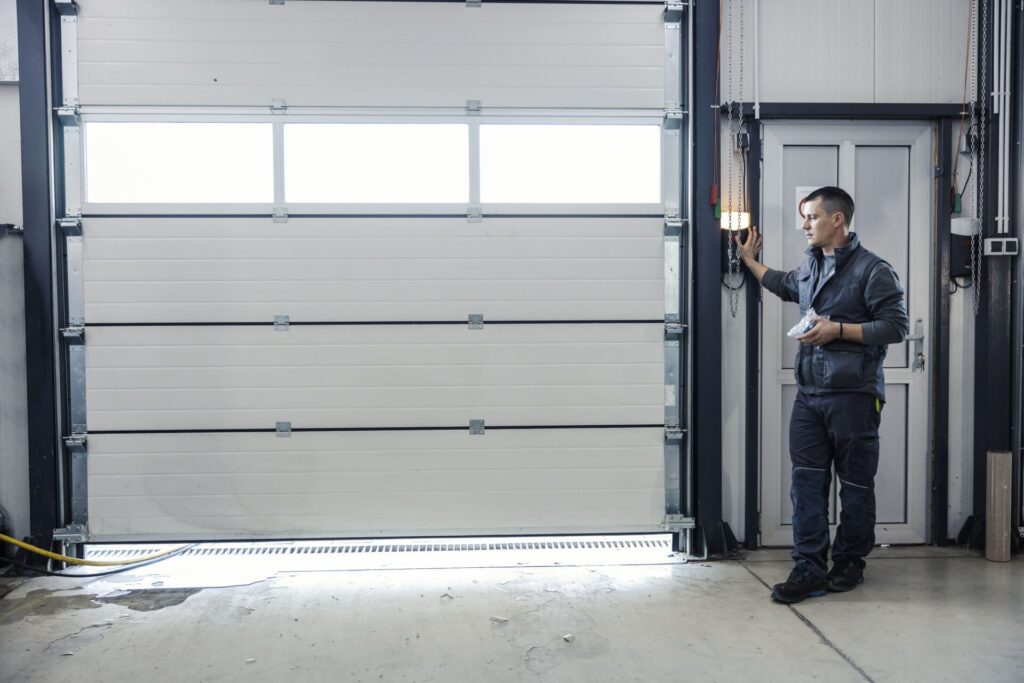
Your lift cables do a lot of heavy lifting (literally). Look for:
-
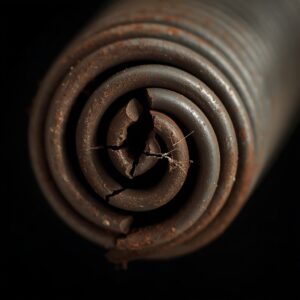
Fraying or broken strands
-
Rust or corrosion
-
Loose tension
These are all signs your cables might be nearing the end of their life.
Important: Never try to replace garage door cables yourself. They’re under high tension and can be very dangerous. If you suspect a problem, contact a professional.
4. Don’t Ignore the Noises
A noisy garage door can be more than just annoying — it’s often a sign that something’s not right. If you hear grinding, squeaking, or clunking, it could mean that parts are misaligned, worn, or lacking lubrication.
Noticing strange sounds? You might need a garage door tune-up.
Final Thoughts: Stay Safe, Save Money
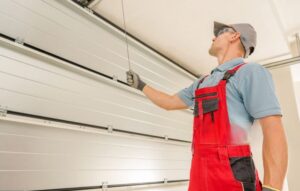
A quick inspection every few months can go a long way in extending the life of your garage door and avoiding emergency repairs.
Want peace of mind? Book a free inspection with Deluxe Garage Doors today!
We’re here to help you keep your garage door safe, quiet, and reliable — all year round.
“Learn how to inspect your garage door tracks, rollers, and cables to prevent costly repairs. Easy maintenance tips every homeowner can follow.”